


Diabetes is one of the most common diseases among people around the world, and age doesn't matter.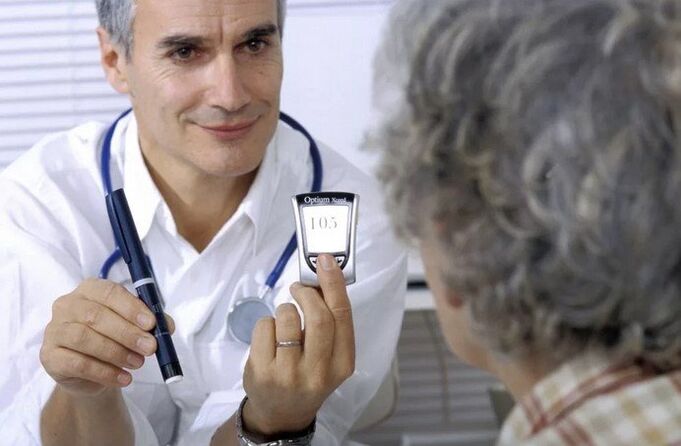
According to statistics, approximately 250 million people suffer from some form of this disease.The actual number of patients exceeds the official figure because many people are unaware of the irregularities.
Most illnesses in children go undetected because their symptoms are mild.
Due to an oversight, the patient did not seek help from an endocrinologist who could identify the problem and make a diagnosis.
To avoid unpleasant situations, you need to know more about what diabetes is, its triggers, symptoms and treatments.
What is diabetes?
This pathology is characterized by insufficient body levels of insulin, a peptide hormone concentrated in pancreatic cells.Diabetes takes the form of a variety of diseases related to damage to the endocrine system.Active production of glucose in the blood, glucose in the urine also increases, and metabolic processes become unstable.
If we consider the deviations that occur in the body, we find:
- Internal organs are supplied by glucose. If the supply is insufficient, hunger will occur.This happens because the pancreatic cells produce low amounts or a lack of insulin.When the movement of accumulated sugar in the blood ceases, subsequent metabolic development does not occur;
- The cells responsible for transporting hormones and absorbing glucose at some point become immune and do not react in any way to substances that have managed not to change;
- Sugar cannot be converted into nutrients, causing the body to starve, while large amounts of glucose enter the bloodstream, negatively affecting cells;
- The degree of damage to the endocrine system depends on the severity of the disease and prompt treatment;
- Early treatment is easier, but many patients come to the clinic late, which further affects the implementation of treatment measures.

Many doctors do not consider diabetes to be a disease and agree that the cause of the problem lies in incorrect lifestyle.
If you adjust your work and rest schedule, follow your doctor's recommendations, and monitor your health and blood sugar levels, you will be able to protect yourself from negative consequences.
If measures are not taken, there is a risk of damage to all organs.In advanced cases, patients are at risk of falling into coma due to severe complications.Even with slight deviations, it's important to keep your doctor's appointments on time.
Type 1 and Type 2 Diabetes
The disease has a classification that allows you to distinguish between different types, each with specific characteristics.
We are talking about such varieties:
- The first type, called juvenile, is detected in adolescent and elderly patients.It is mainly spread to children of close relatives.Changes in beta cells negatively affect their structure.The amount of insulin produced is minuscule and not enough to maintain a normal life for the patient.About 10% of people face problems that are primarily caused by autoimmunity.Sometimes the pathological cause is pancreatitis or pancreatic necrosis, and although the person survives, the pancreas eventually loses its original properties.This condition does not change over time, it continues until the end of life;
- The second kind– Due to the deterioration of metabolism, the hormone is no longer produced in the required amounts, resulting in a relative deficiency of insulin.Beta cells stop working steadily; due to pathological processes, they are unable to perform the functions specified by the body - to produce necessary substances and reduce glucose in the blood.
Gestational diabetes in women occurs in pregnant women whose blood sugar levels are higher than normal.One cannot ignore detected deviations because failure to act can have negative consequences for the fetus.The disease can be eliminated after childbirth, but interference with the absorption of this organic compound may also be found in women who initially do not complain of poor health.
There are other types of conditions that are worsened by medication use, endocrine system instability, pancreatic dysfunction, etc.
Symptoms of type 1 and type 2 diabetes
The first type is chronic, is short-lived, quickly transitions from an initial phase to a more severe one, and occurs against the background of the adverse influence of various factors.
Notable features include:
- Sudden weight loss;
- Nocturnal urinary incontinence, which is more common in children;
- Degeneration of visual organs;
- dryness of skin and mucous membranes;
- Even if water balance is maintained, there is still a lack of moisture in the mouth;
- When thirsty, you need to drink a lot of water, more than 10 liters;
- itching and pus on the skin;
- Frequency of urination and excessive urine output;
- Uncontrolled contraction of lower limb muscles;
- Vomiting and nausea - relief from emptying the stomach is temporary;
- irritability;
- Loss of physical strength and inability to work for long periods of time;
- increased appetite;
- Continuous craving for food in a short period of time.
A complication is hyperglycemia - an increase in blood sugar levels, which can be fatal.The possibility of an exacerbation of the condition, manifested by minimal or no hair on the legs, cannot be ruled out.
Benign yellow structures were observed on tendons, visceral mucosa, and skin.Inflammation can be observed on the surfaces of both male and female reproductive organs.Bones become fragile and easily susceptible to negative influences from the outside world.As for immunity, it actually loses its protective properties.
The symptoms of the second type of diabetes have some similarities, however, there are some signs that can determine which type you are dealing with.The following flags can be recognized:
- Wounds take a long time to heal;
- Epidermal infection;
- feeling of thirst;
- Frequent urination, forcing you to go to the toilet day and night;
- Fatigue, unresponsiveness, sleep disturbance;
- dryness of mucous membranes;
- Numbness and tingling in limbs;
- Leptin synthesis pathology leads to increased appetite;
- Dry mouth, drinking about 3-5 liters a day;
- Itching in the groin area - confusion that prompts you to contact a gynecologist or dermatologist instead of an endocrinologist;
- Feeling hungry 1-2 hours after eating;
- swelling of the face and lower legs;
- Enuresis in children, manifested at night;
- hypertension;
- Headache and dizziness.
Symptoms occur when blood sugar levels exceed levels, which can be easily determined by the presence of sugar in the urine.
disease pathogenesis
The factors that contribute to the development of diabetes have been identified.These include:
- Genetics – If a parent has the same diagnosis, the risk of a child developing a Type 1 disorder is increased;
- Overweight – 80-90% of patients are overweight because the fat tissue cannot use insulin as intended.The newborn's weight should be 2.5-3.5 kg; if the index is elevated, an endocrinologist is required to check;
- Viruses - cause abnormalities in the pancreas and therefore, because the child has previously had rubella, measles, chickenpox, they can cause cell death in the digestive system;
- age-related changes;
- Frequent stressful situations;
- Unhealthy lifestyle and poor diet - A body mass index above 30 can complicate the situation and lead to insulin resistance, which is 2 times more likely.An index above 35 indicates a 100% chance of developing diabetes;
- fat deposits around the abdomen;
- The pancreas is damaged for a variety of reasons, including organ damage;
- Pathological processes of the endocrine system due to acromegaly, Itsenko-Cushing syndrome, etc.
List the main factors that contribute to the worsening of the condition; they may have one-time effects that increase the threat.Even perfectly healthy people are at risk and are advised to see a doctor.
Blood sugar levels after and before meals
On an empty stomach, blood glucose levels are lower, usually in the range 3.4-5.5 mmol/l.In patients with diabetes, this indicator exceeds the prescribed value and is calculated as follows:
- Category 1 - up to 9.3 mmol/l;
- The second type - 8.5 mmol/l.
After eating, metabolism is activated, which releases glucose.How much the levels of organic compounds increase depends on the ability to absorb it.In practice, no examination is performed when the stomach is full.The most accurate information is obtained 1-3 hours after a meal.
Normal blood sugar levels for women, men and children over 12 years of age with diabetes are:
- After 1 hour - up to 8.6-8.9;
- After 2 hours - up to 7.0-7.2;
- After 3 hours – up to 5.8-5.9.
For patients with type 1 diabetes during the same period:
- Maximum 11;
- Up to 10-10.3;
- Up to 7.5.
If you have type 2 diabetes:
- 9.0;
- 8.7;
- 7.5.
After three hours or more, blood sugar levels continue to drop until they return to normal.
What are the stages of diabetes?
This classification is based on the degree of development of the pathology of carbohydrate metabolism and is therefore divided into the following stages:
- compensate– Try to achieve natural glucose levels;
- subcompensation– Sometimes the volume of a substance increases;
- decompensation– Lack of response to insulin, making treatment difficult.
The disease is classified according to the severity of its course; three forms are known.These include:
- Light– The condition improves due to the right choice of diet and treatment.The positive effects of dieting are obvious, and the use of antidiabetic drugs will bring double benefits.The possibility of transition from one stage to another is minimized;
- average– You cannot live without medications that lower blood sugar levels.They are used continuously but do not prevent vasculopathy;
- Heavy– The use of hypoglycemic agents and insulin is sometimes not combined with other medications and should not be interrupted.There is a threat of developing encephalopathy, neuropathy, and vascular disease.
Differences between Type 1 and Type 2 Diabetes
In addition to the ICD-10 code E11 for type 2 diabetes and E10 for type 1 diabetes, it is important to be familiar with the other distinguishing characteristics of these types in order to understand each of them and be able to identify the type of disease based on its characteristics.
| Features | The first type | Category 2 |
|---|---|---|
| period | autumn, winter, spring | Not specified |
| Number of cases (%) | 10-20% | 80-90% |
| gender | More common in men | More common in women |
| age | Under 40 years old | Children, adults over 40 years old |
| weight | standard or reduced | extra kilograms |
| develop | Transient | slow, not bright |
| Vascular abnormalities | mostly smaller | Mostly larger |
| cell sensitivity to insulin | Yes | Low |
| Insulin and beta cell antibodies | Yes | no |
| treat | insulin | Diet, hypoglycemic drugs, insulin (late stage) |
Diagnosis of disease
Before knowing how to treat diabetes, you need to do a blood sugar test, which is the primary method of calculating current and daily blood sugar levels.
Other diagnostic measures include polyuria, polyuria, and being overweight or experiencing significant weight loss.The following also applies:
- ultrasound;
- Pathological insulin determination;
- Electrocardiogram – the study of the heart’s electrical fields;
- Rehberg test - assesses kidney condition;
- Blood biochemistry tests;
- Fundus studies.
Based on the information received, a clinical situation arises and treatment techniques are then proposed.
Class 1 drugs
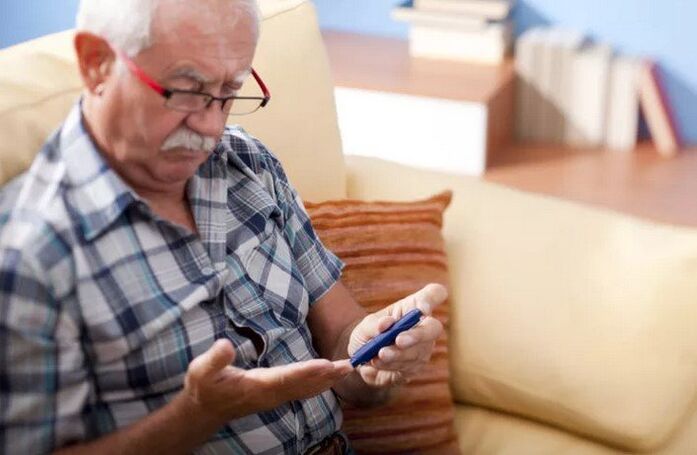
The main treatment is insulin, but in addition, doctors prescribe pills that help deal with a disorder of glucose metabolism that, in combination with obesity, makes the condition worse.
We're talking about biguanides, which can reduce the urgent need for insulin and also provide relief to patients.
insulin lispro
Insulin analogues produced in the human body have a rapid onset of action - 15 minutes after injection.Glucose metabolism is controlled and produces anti-catabolic and anabolic effects on tissues.
This drug is proven to be the best in its class.Each day, sugar concentrations were reduced by 22% and blood glucose data improved.
insulin glulisine
An alternative to human insulin that works faster but does not last as long.
Used on an empty stomach or after meals, the substance is injected into the body.The duration of treatment and dosage should be determined taking into account the patient's individual characteristics.
insulin aspart
The latest generation of hypoglycemic drugs, which work to correct blood sugar levels.There are subtle differences compared to human hormones, which allows results to appear faster.You can start eating after usee, because no rest is needed.
At night, hypoglycemia is more likely to occur and blood sugar levels return to normal.Due to the strong effect, increased dosage can be avoided.
Class II drugs
This species is not as rare as the first type, so more drugs have been developed to deal with this problem.
Biguanide
It has hypoglycemic effects, reducing the concentration of glucose in the blood without causing the production of insulin.
Weight loss and lower cholesterol, lipoprotein, and triglyceride levels.During the first phase of treatment, take 2-3 tablets per day, and expect to take 2-3 doses, otherwise indigestion will occur.
Take up to 6 tablets, divided into 3 doses.If there are no complications, the dose is gradually increased.Children and adolescents over 10 years of age need 1 tablet daily, with the dose changing after two weeks.Do not exceed the course of treatment, take 4 tablets daily, divided into 3 times.
Exenatide-based GLP-1 receptor agonist
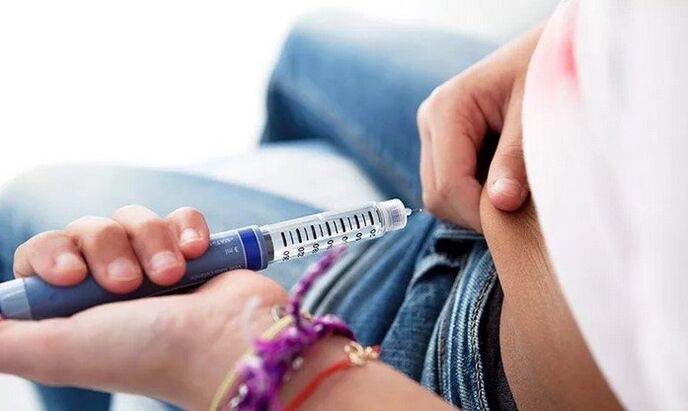
It is administered using a syringe designed to perform the procedure at home.
There is a hormone similar to the one produced in the digestive tract, a substance that is released when food enters the digestive tract.
Insulin begins to be actively produced because it has a beneficial effect on the pancreas, which is responsible for producing this substance.
Liraglutide-based GLP-1 receptor agonist
We created a formula to prolong the effects.
Session – 1 time a day, 1 hour before meals.
Surgery must be performed at the same time so that the activity of the pancreas and gastrointestinal tract can be maintained.
Sitagliptin-based DPP-4 inhibitors
The pills can be taken before or after meals, just stick to a certain time frame.
You need 100 mg once daily.
The drug can be used alone or in combination with other drugs.
Saxagliptin-based DPP-4 inhibitors
Belongs to the DPP-4 inhibitor category and is suitable for combination therapy and monotherapy.
Type 1 diabetes becomes a complication that requires insulin injections after meals.
Vildagliptin-based DPP-4 inhibitors
The required dose is 50 mg once daily, regardless of mealtime.
Results are maintained throughout the day, while the negative effects of the drug are reduced.
How to monitor your blood sugar levels
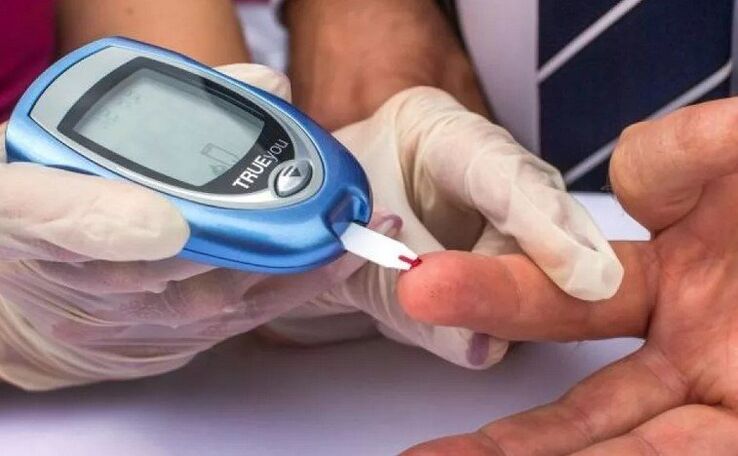
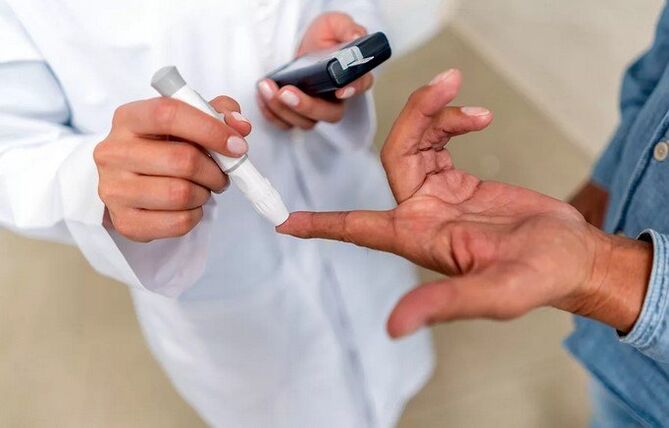
Patients must monitor sugar concentrations independently.For these purposes, it is recommended that you keep a journal where you need to take important notes.You need to check your blood sugar level regularly using a glucometer; you should not eat before observing; you should measure it in the morning before and after meals.Based on the data obtained, adjust your diet and lifestyle to bring the indicators back to normal.However, you still need to get tested at an outpatient clinic, where more reliable information is available.
Prescription documents

A system has been developed to make insulin available for free to those who need it.When a doctor writes a prescription to a patient, he or she must present the following list of documents before receiving the prescription:
- ID card;
- medical insurance;
- personal insurance policy;
- Documentation indicating disability;
- Documentation confirming that the patient does not refuse the social welfare package.
diabetes diet
An approximate diet for a week has been worked out which will provide relief to the patient.
The foods you can eat with type 2 diabetes are shown in a table outlining what to eat for a week.
| breakfast | second breakfast | Lunch | Afternoon tea snacks | dinner | |
|---|---|---|---|---|---|
| 1 day | Buckwheat, cheese, milk 1% fat | glass of milk | Cabbage soup, boiled meat, jelly | two apples | Cabbage cutlet, boiled fish, tea |
| the next day | Barley porridge, soft-boiled eggs, cabbage salad | glass of milk | Mashed potatoes, pickles, boiled beef liver, dried fruit preserves | Fruit jelly | A piece of boiled chicken, stewed cabbage, tea.Kefir before bed |
| The third day | Cheese with milk, oatmeal, coffee | Kissel | Meatless borscht, boiled chicken, buckwheat porridge | two pears | Vinaigrette, eggs, tea.Drink yogurt before going to bed |
| 4 days | Buckwheat, cheese, coffee | Kefir | Cabbage soup, lean beef, candied fruit | 1-2 pears | Schnitzel, boiled fish, tea |
| 5 days | Potato-free vinaigrette 1 tsp.Vegetable oil, eggs, coffee, a slice of rye bread and butter | two apples | Sauerkraut stew, pea soup | fresh fruit | Boiled chicken, vegetable pudding, tea.Drink yogurt before going to bed |
| The sixth day | Stewed meat, millet porridge, coffee | Wheat bran soup | Boiled meat, fish soup, lean mashed potatoes | Kefir | Oatmeal, cheese, milk, apples |
| Day 7 | Buckwheat, boiled eggs | two apples | Fried steak, barley, vegetable soup | milk | Boiled fish, steamed potatoes, vegetable salad, tea.Kefir before bed. |
natural medicine
The use of folk remedies to treat diabetes was considered a way to eliminate the disease, so some of the most effective recipes were considered.
Right now:
- Pour 1 liter of boiling water into the container, add 100 grams of cinnamon powder, stir, and add 200 grams of honey.Let it brew in a cool place for 3 hours.Courses – 3 times a day;
- linden flowers 1 tbsp.Pour 1 cup of boiling water into the lake and make decoction instead of black tea;
- Place 300 g of peeled garlic into a meat grinder along with an equal amount of parsley root and 100 g of lemon zest.Place the ground ingredients into a jar, close the lid and leave in a dark, dry place for two weeks.Drink 1 tsp.2 times a day;
- Grate dry walnut leaves, choose 1 tbsp.l., pour ½ liter of filtered water.Cook for 15 minutes, then remove from the stove and leave in a dry place for 1 hour.Strain, ½ cup 3 times daily.
A doctor should be consulted before use to avoid complications.
sports
A large amount of glucose is burned through physical activity, and the functions of the metabolism and cardiovascular system are stabilized, so it is important to perform at least simple exercises every day.
Overvoltage is not allowed as otherwise it will have negative consequences.Increased appetite forces you to consume large amounts of food, thus rendering all previous efforts meaningless.
When fatigue occurs, stress occurs, adrenaline hormones are released, and blood sugar levels subsequently rise.
The best options for achieving excellent results are morning exercises, dumbbell exercises, walking, jogging, cycling, swimming.
Prognosis of Type 1 and Type 2 Diabetes
If you allow the disease to enter the decompensation stage, it becomes impossible to eliminate the problem because the body's resources are significantly reduced.
It is always easier to fight a disease in its initial stages than in advanced cases.By selecting the most effective treatments, patients experience remission and thus extend their lives.This condition can be improved through a healthy lifestyle and physical activity.